ITB Syndrome
Conquer Outer Knee Pain. Move Without Limits.
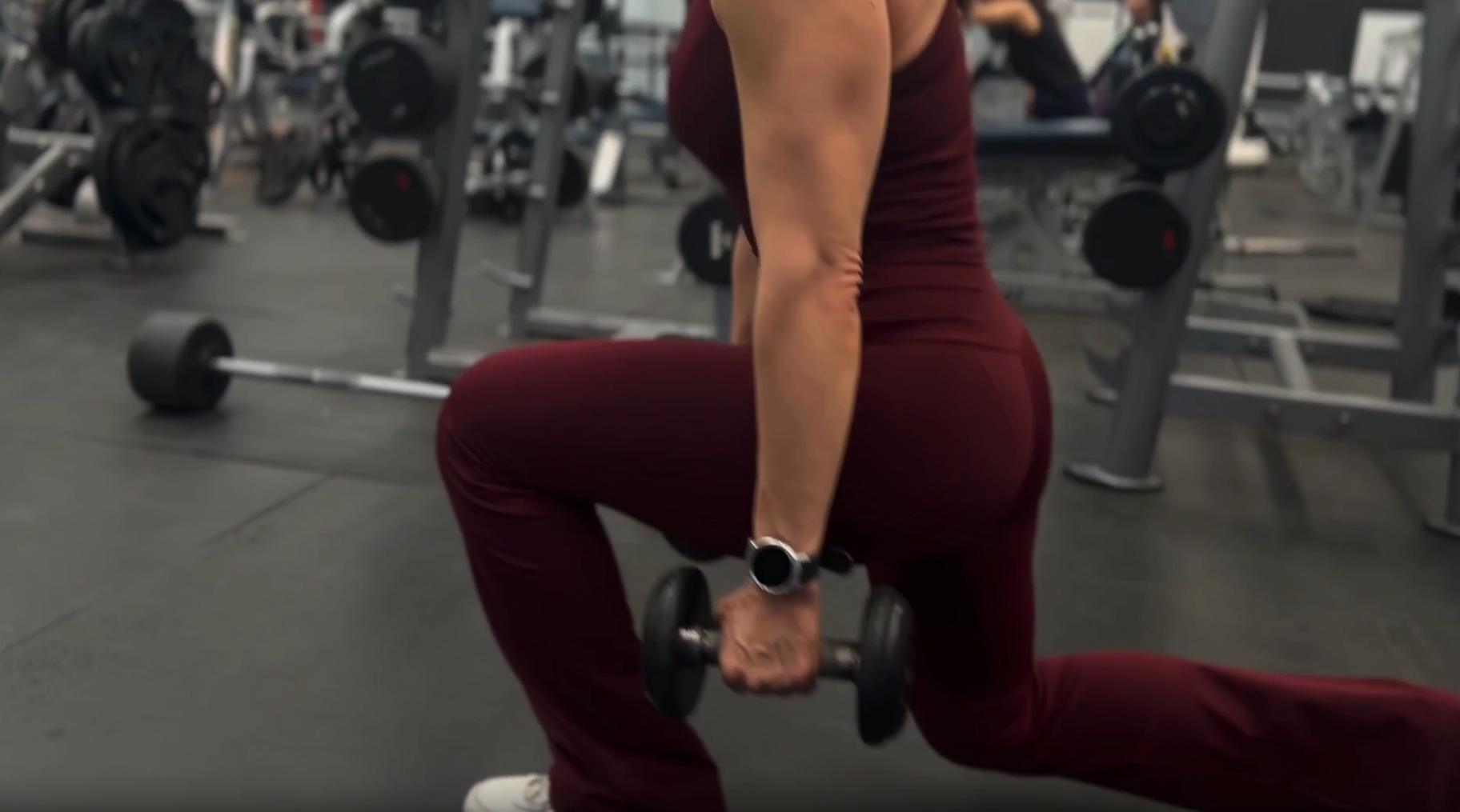
Don't let sharp outer knee friction cut your runs short or compromise dynamic movements like walking lunges. Mr. Lebur Rohman combines targeted gluteal loading, precision injections, and minimally invasive ITB Z-lengthening to eliminate lateral knee burning and get you moving smoothly again.
Iliotibial Band (ITB) Friction Syndrome Guide
Comprehensive Outer Knee Pain Management: Non-Surgical Physiotherapy, Ultrasound Injections & Surgical ITB Z-Lengthening under Mr Lebur Rohman
1. Understanding Iliotibial Band (ITB) Syndrome
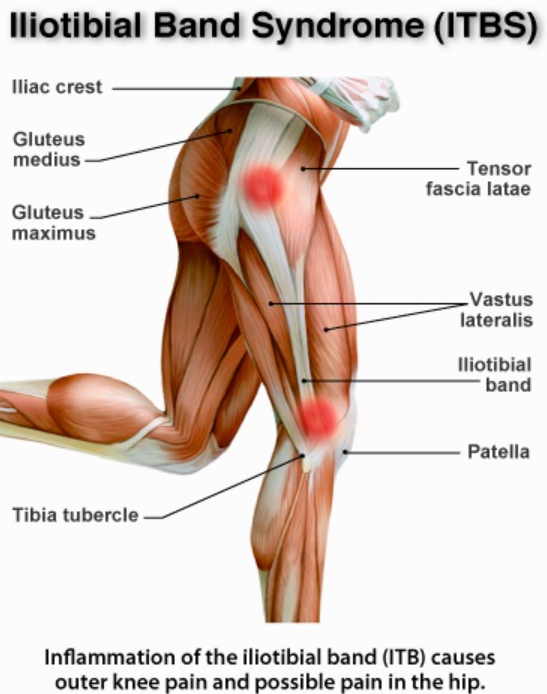
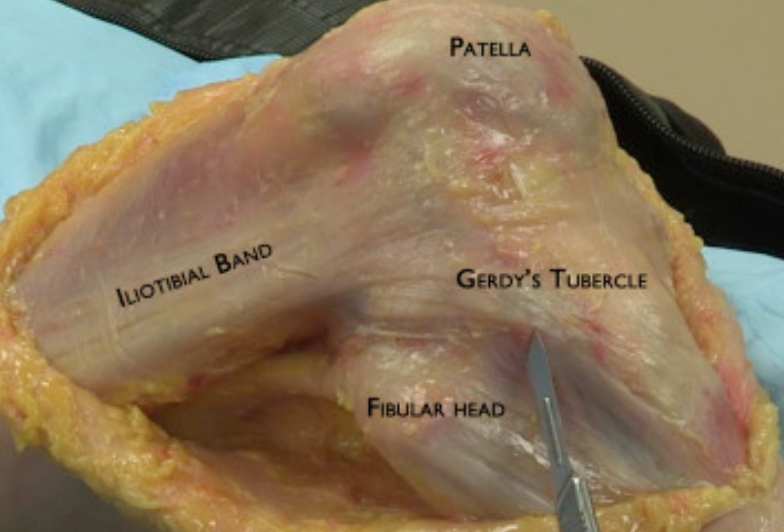
Iliotibial Band (ITB) Friction Syndrome is a common overuse injury causing sharp pain on the outside of the knee. The IT band is a thick strap of tough tissue running from the outer hip down past the knee joint. When you bend and straighten your leg (especially at a 30° knee angle during running or cycling), the lower end of the IT band compresses against the bony prominence on the outer knee (the lateral femoral epicondyle), causing irritation in the underlying fat pad and bursa.
Symptom Presentation
- Sharp Outer Knee Pain: Stinging or burning sensation centered over the outer edge of the knee joint.
- Predictable Exercise Onset: Pain starts after a specific distance or duration of running, cycling, or downhill walking.
- Local Compression Tenderness: Extreme tenderness when pressing directly on the bony outer prominence of the knee.
- Post-Exercise Stiffness: A tight, achey sensation down the outer thigh that worsens when walking down stairs.
Why Does ITB Friction Occur?
- Hip & Gluteal Weakness: Weakness in the Gluteus Medius causes the pelvis to drop and the thigh bone to roll inward, pulling the IT band tight.
- Sudden Training Spikes: Rapid increases in running mileage, downhill running, or excessive hill work.
- Anatomic Factors: Prominent outer knee bone structure, bow-legged alignment (genu varum), or tight hip flexors.
- Running Mechanics: Running on a narrow "cross-over" line or wearing worn-out running shoes.
2. Non-Operative Physiotherapy Protocol
Over 85% of ITB syndrome cases resolve without surgery when guided by a structured, progressive loading plan rather than simple rest or superficial foam rolling.
Stage 1: Calming Pain & Activation (Weeks 0–2)
- Activity Shift: Pause running and downhill stairs. Switch to flat treadmill incline walking (8–10°) or swimming.
- Low-Load Exercises: Side-lying clamshells, isometric hip abduction against a wall, and side-lying leg lifts.
- Focus: Reducing outer knee irritability while waking up dormant gluteal muscles.
Calm inflammation & activate hip stabilizers.
Stage 2: Heavy Slow Resistance (Weeks 2–6)
- Target Work: Progress to Heavy Slow Resistance (HSR) loading 3 times per week to build real tissue strength.
- Core Drills: Side planks with hip dips, monster walks with loop bands, split squats, and single-leg bridges.
- Target: Able to walk up and down stairs completely pain-free.
Heavy slow resistance hip strengthening.
Stage 3: Plyometrics & Agility (Weeks 6–8)
- Power Drills: Mini squat jumps, reverse lunge hops, lateral skater bounds, and single-leg landing drills.
- Spring Training: Re-training the hip and leg tendon structures to absorb dynamic impact.
- Target: Single-leg landing with perfect pelvic stability and zero knee collapse.
Dynamic impact loading & balance work.
Stage 4: Graded Running Return (Weeks 8–12+)
- Walk-Run Plan: Gradual interval progression starting on flat surfaces.
- Gait Retraining: Increase running cadence by 5–10% (using a metronome) and widen running stride width ("don't let knees touch").
- Clearance: Full pain-free return to road running and race volume.
Gait retraining & structured running build-up.
3. Ultrasound-Guided Corticosteroid Injection
When severe outer knee pain stops you from participating in physiotherapy, or when a sudden flare-up threatens an upcoming event, an **Ultrasound-Guided Corticosteroid (Steroid) Injection** offers targeted pain relief.
How Does the Injection Work?
- Precision Guidance: Using high-resolution ultrasound imaging, a fine needle is guided directly into the inflamed sub-ITB bursa and fat pad underlying the IT band—without touching the knee joint or injecting directly into tendon tissue.
- Rapid Anti-Inflammatory Action: The corticosteroid powerful anti-inflammatory agent calms localized tissue swelling and burning pain within 3 to 5 days.
- Creating a Rehabilitation Window: By rapidly dulling sharp pain, the injection breaks the pain cycle and creates a comfortable "therapeutic window" for you to execute Stage 2 Heavy Slow Resistance strengthening.
Patient Considerations & Race Timing
- Not a Permanent Cure: An injection reduces pain and inflammation but does not strengthen weak hip muscles. It must be paired with physiotherapy.
- Timing for Events/Marathons: If treating an acute flare before a key race, the injection should ideally be performed 1 to 2 weeks prior to allow maximum anti-inflammatory effect.
- Post-Injection Protocol: Relative rest for 24 to 48 hours post-injection before resuming light, controlled rehabilitation exercises.
4. Surgical Option: Distal ITB Z-Lengthening & Bursal Debridement
For patients who have completed a comprehensive 6-month physiotherapy program and ultrasound-guided injection without lasting relief, surgical release provides definitive mechanical decompression.
| Surgical Feature | Technique Breakdown | Clinical Advantage |
|---|---|---|
| Minimally Invasive 3–5 cm Incision | A discreet vertical skin incision centered directly over the bony outer prominence of the knee. | Minimal tissue disruption, low cosmetic footprint, and rapid post-operative recovery. |
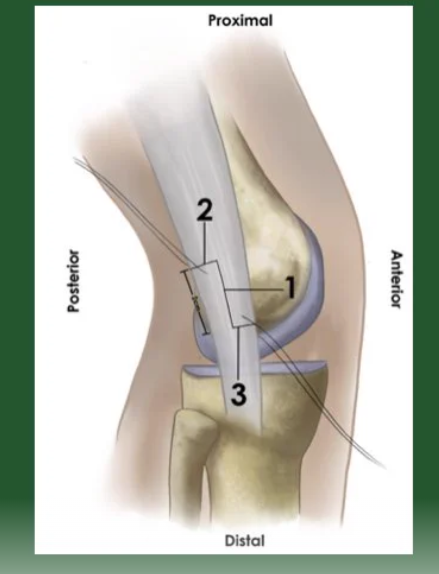
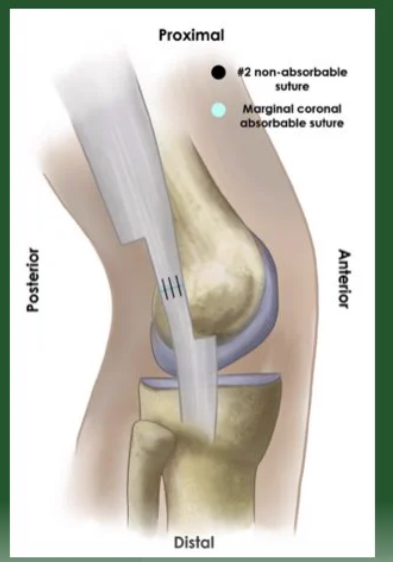
| Z-Lengthening Plastic Repair | A precise "Z" cut is made through the distal ITB fibers, lengthening the band by 1.0–1.5 cm before repairing it in a lengthened position. | Relieves resting compression over the bone while preserving the continuous wall of the lateral knee joint (unlike full cut releases). |
| Bursal Debridement | Direct excision of the underlying thickened, inflamed sub-ITB bursa and fibrous scar tissue. | Completely removes the source of chronic compression pain, allowing smooth gliding during knee bending. |
Why Choose Mr Lebur Rohman for ITB Syndrome?
- Comprehensive Diagnostic Accuracy: Specialized clinical assessment ruling out lateral meniscus tears, popliteus tendinopathy, and LCL sprains.
- Targeted Non-Surgical Pathways: Expert coordination of structured Heavy Slow Resistance physiotherapy and ultrasound-guided injections.
- Minimally Invasive Z-Lengthening Mastery: Surgical expertise in tension-free Z-lengthening that preserves joint stability while curing mechanical pain.
- Athlete-Centred Performance Approach: Tailored recovery pathways designed to return marathon runners, triathletes, and cyclists to peak performance.
Reclaim Pain-Free Running & Peak Athletic Performance
Schedule a private assessment with Consultant Orthopaedic Surgeon Mr Lebur Rohman to resolve outer knee pain.
Book Private Assessment →6. Post-Operative Rehabilitation Programme (Post Z-Lengthening)
Following Distal ITB Z-Lengthening surgery, recovery is divided into four progressive, milestone-driven rehabilitation phases to protect the lengthened fascial repair while systematically rebuilding gluteal power and running volume:
Early Post-Op Recovery Targets & Pro Tips (Weeks 0–2)
The initial fortnight focuses on wound healing, controlling inflammation, and maintaining knee extension:
Target Milestones by Week 2:
- Clean, Dry Incision: Skin sutures or steri-strips checked and removed at 10 to 14 days.
- Full Weight-Bearing: Full weight-bearing as tolerated allowed immediately; crutches used for balance support during the first 3 to 7 days.
- Full Passive Range of Motion: Full knee extension (0°) and active-assisted flexion to 90°+ without forcing soft-tissue tightness.
- Normal Walking Gait: Walking smoothly without an antalgic limp prior to discarding crutches.
Top Post-Op Equipment Recommendations:
- Cryotherapy Cold Therapy Unit: Continuous temperature-controlled cooling over the outer knee incision to prevent subcutaneous swelling and fluid build-up (seroma).
- Mini Loop Bands & Massage Ball: Loop bands for early gluteal activation (clamshells) and a soft ball for mobilization of upper Gluteus Medius muscles.
Post-Op Phase 1: Healing & ROM (Weeks 0–2)
- Goals: Wound healing, full passive extension (0°), swelling control.
- Weight-Bearing: Full weight-bearing as tolerated; crutches for 3–7 days as needed.
- Key Exercises: Quad sets, heel slides to 90°+, isometric glute sets.
Wound protection & range of motion.
Post-Op Phase 2: Glute Strength (Weeks 2–6)
- Goals: Full active ROM, scar mobilization, gluteus medius loading.
- Exercises: Clamshells, side-lying leg lifts, double-leg squats, stationary bike.
- Milestone: Pain-free single-leg stance balance without pelvic drop.
Scar mobilization & hip loading.
Post-Op Phase 3: Impact & Jogging (Weeks 6–10)
- Goals: Heavy slow resistance loading, walk-to-run treadmill progression.
- Exercises: Step-ups, single-leg squats, lateral bounds, 1-min jog intervals.
- Milestone: Pain-free 15-minute flat interval jog.
Walk-to-run treadmill progression.
Post-Op Phase 4: Full Sport Clearance (Weeks 10–16+)
- Goals: Road running volume, hill training, sports agility.
- Criteria: Hip abduction strength >90% symmetry, pain-free 30-min run.
- Clearance: Full competition clearance.
Unrestricted running & competition clearance.
Official NHS Rehabilitation & Patient Resources
Access verified step-by-step physiotherapy guides and official NHS lower limb recovery portals below:
Access NHS TIMS Guided ITB & Lateral Knee Rehabilitation Exercises
Gateshead Health NHS Lower Limb & Joint Exercise Guides
7. Frequently Asked Questions Regarding ITB Syndrome & Z-Lengthening
Why doesn't foam rolling or stretching my outer leg fix ITB Syndrome?
The IT band is an extremely dense, unyielding strap of connective tissue with tensile strength comparable to steel wire. It cannot be stretched out by a foam roller or manual stretch. Furthermore, foam rolling directly over the sore outer knee bone compresses the already inflamed bursa and fat pad, often making symptoms worse. Effective treatment requires strengthening the hip muscles (gluteus medius) that control the band, rather than attempting to roll the sore spot.
Is an ultrasound-guided steroid injection painful, and how long does it take to work?
The injection is performed under local anesthetic and ultrasound guidance, making it a quick and minimally uncomfortable outpatient procedure. Pain relief typically begins within 3 to 5 days as the anti-inflammatory medication takes effect. It is safe to resume light walking and guided physiotherapy 24 to 48 hours after the injection.
What are the main risks and benefits of ITB Z-lengthening surgery (Informed Consent)?
Before proceeding with surgery, a clear understanding of expected benefits and potential risks is essential for informed consent:
Primary Surgical Benefits:
- Definitive Mechanical Decompression: Permanently relieves rubbing over the outer knee bone and excises inflamed bursal tissue.
- Preserved Lateral Knee Integrity: Z-lengthening maintains fascial continuity, avoiding lateral knee weakness caused by full-cut releases.
- High Return-to-Running Rates: Allows runners and cyclists who failed all conservative care to return to pain-free distance sport.
Potential Surgical Risks:
- Seroma Formation (<3%): Fluid collection under the incision, usually resolving with temporary compressive dressing.
- Persistent Mild Ache (<5%): If underlying hip weakness or gait errors are not addressed post-operatively.
- Infection (<1%): Managed with sterile surgical technique and peri-operative antibiotics.
- General Risks: Minor skin numbness near the incision, scar tenderness, or Deep Vein Thrombosis (DVT, <1%).
Who is the leading private ITB syndrome specialist in Newcastle, Teesside, and North East England?
Mr Lebur Rohman is a dual fellowship-trained Consultant Orthopaedic Sports Knee Surgeon serving patients across Teesside, Newcastle upon Tyne, Gateshead, Sunderland, Durham, and nationwide. Specializing in soft-tissue knee preservation, sports rehabilitation, and minimally invasive surgery, Mr Rohman provides expert private consultations for recalcitrant ITB friction syndrome, runner's knee, and complex lateral joint pain.
When can I return to running after ITB Z-lengthening surgery?
Light walk-to-run interval progressions on flat surfaces typically start around 6 to 8 weeks post-surgery, once incision healing is complete and hip strength has been rebuilt. Full return to outdoor road running, distance marathons, or competitive cycling generally occurs between 10 and 14 weeks.
Rebuild Strength. Eliminate Outer Knee Pain.
Schedule a private assessment with Consultant Orthopaedic Surgeon Mr Lebur Rohman to resolve persistent ITB friction syndrome.
Book Private Assessment →