
Total Hip Replacement
Reclaim Your Mobility. Live Without Hip Pain.
Say goodbye to persistent hip pain and stiffness. Total hip replacement replaces damaged joint surfaces with modern, durable implants—restoring smooth movement so you can return to the activities you love under the specialist care of Mr Lebur Rohman.
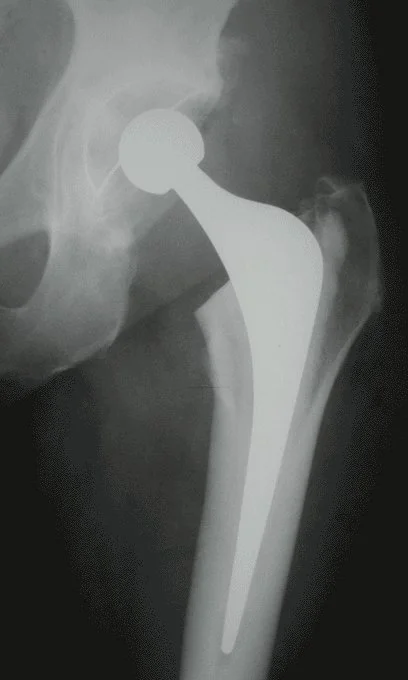
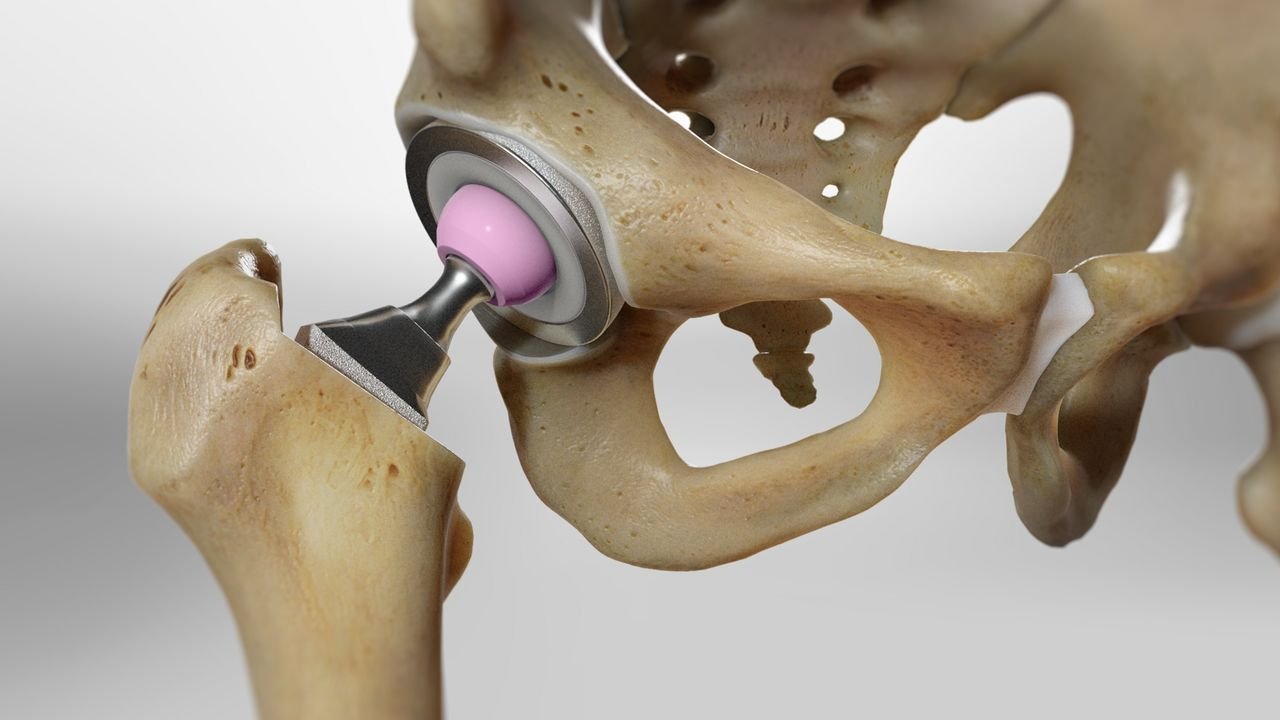
Total Hip Replacement (THR) Guide
Advanced Joint Reconstruction, Precision Fixation & Evidence-Based Surgical Care under Consultant Orthopaedic Surgeon Mr Lebur Rohman
1. Understanding Hip Replacement & Clinical Indications
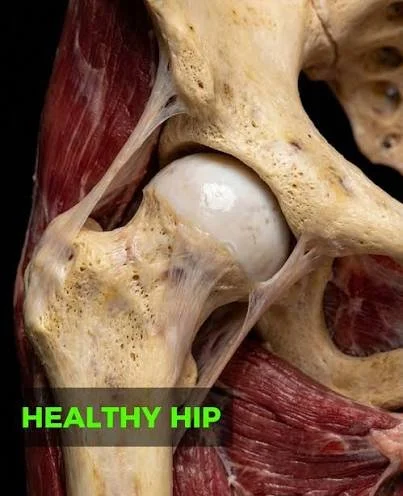
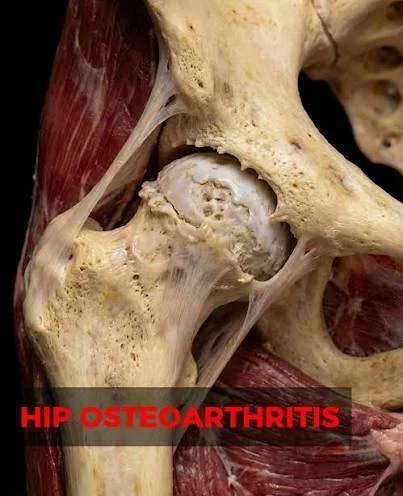
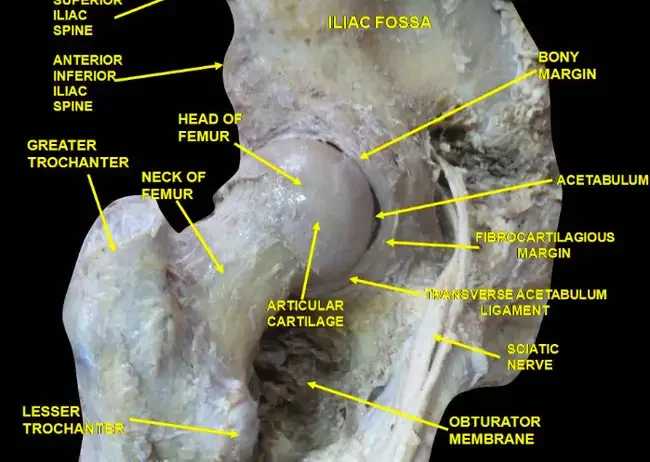
The hip is a robust ball-and-socket joint where the femoral head (ball) pivots smoothly inside the acetabulum (socket of the pelvis). In a healthy joint, durable articular cartilage cushions bone surfaces. When progressive degeneration occurs, bone rubs directly against bone, producing sharp pain, joint grinding, stiffness, and significant loss of leg function.
Why Get a Total Hip Replacement?
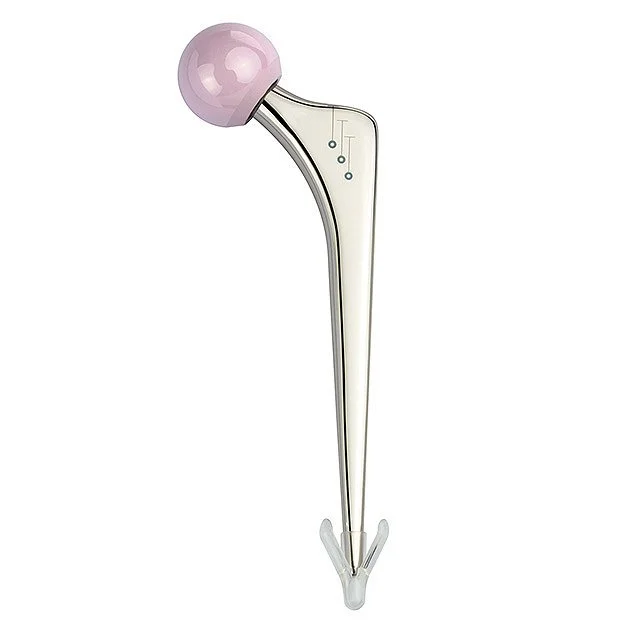
A Total Hip Replacement (THR) replaces severely worn cartilage and damaged bone with modern, ultra-low-friction implants. The primary goal is to completely resolve chronic joint pain, restore natural leg mechanics, re-establish equal leg length, and return patients to an active, independent lifestyle.
Primary Indications for Surgery
- Severe Osteoarthritis: End-stage "bone-on-bone" wear causing persistent pain.
- Avascular Necrosis (AVN): Loss of blood supply causing femoral head collapse.
- Rheumatoid / Inflammatory Arthritis: Chronic joint lining destruction.
- Post-Traumatic Arthritis: Degeneration following previous pelvic or hip fractures.
- Refractory Night Pain & Disability: Joint pain that resists non-surgical care and disrupts sleep.
Why Choose Mr Lebur Rohman for Your Hip Surgery?
- Subspecialist Expertise: Advanced fellowship-trained expertise in modern hip arthroplasty and joint preservation.
- Precision Implant Matching: Individualized selection of Cemented, Uncemented, or Hybrid fixation tailored precisely to your age, bone quality, and activity goals.
- Rapid Recovery Protocols: Muscle-sparing surgical approaches combined with multi-modal pain management for early mobilization and same-day or next-day discharge.
- Evidence-Driven Care: Utilization of top-rated National Joint Registry (NJR) ODEP 10A* benchmarked implants with proven long-term durability.
Struggling with Severe Hip Pain or Stiffness?
Schedule a private consultation with specialist orthopaedic surgeon Mr Lebur Rohman to explore your hip replacement options.
Book Private Assessment →3. Fixation Types: Cemented, Uncemented & Hybrid
Selecting the correct fixation method is vital for long-term implant success. Mr Rohman evaluates bone density, anatomical structure, and physical demands to select the optimal technique:
1. Cemented THR
Primary Application: Patients with osteoporotic or lower-density bone (typically older demographics).
How it works: Both the acetabular cup and femoral stem are fixed using polymethylmethacrylate (PMMA) acrylic bone cement. The cement acts as a grout, instantly interlocking the metal component to bone.
Advantage: Immediate, rigid full weight-bearing stability post-surgery.
2. Uncemented (Press-Fit) THR
Primary Application: Younger, physically active patients with good bone quality.
How it works: Implants are coated with porous titanium or hydroxyapatite. Components are wedged tightly into bone (press-fit), allowing native bone to grow directly into the implant surface (osseointegration) over 6 to 12 weeks.
Advantage: Biological, permanent bone integration with exceptional durability.
3. Hybrid THR
Primary Application: Highly popular combination for excellent long-term registry outcomes.
How it works: Combines an uncemented press-fit acetabular cup (allowing biological bone ingrowth in the socket) with a cemented femoral stem (providing stable fixation in the thigh bone).
Advantage: Optimizes fixation strengths across both sides of the joint.
4. Evidence Base & Clinical Outcomes
Total Hip Replacement is clinically recognized as one of the most successful surgical operations in modern medicine. Large international registry studies (including the UK National Joint Registry) confirm outstanding long-term results:
5. Evidence-Based Comparison: Benefits vs. Surgical Risks
Informed consent requires balancing expected life-changing benefits against recognized surgical risks:
| Category | Clinical Description | Evidence & Management |
|---|---|---|
| Expected Benefits |
|
Supported by Oxford Hip Score (OHS) registry data showing significant post-operative quality of life improvement. |
| Prosthetic Infection | Deep infection around implants (~0.5% – 1%). | Minimized via sterile laminar airflow operating theatres, prophylactic IV antibiotics, and strict wound protocols. |
| Thromboembolism (DVT/PE) | Blood clots forming in deep leg veins (~1%). | Managed using blood thinning medication (LMWH/Aspirin), compression stockings, and immediate post-op walking. |
| Hip Dislocation | The ball slipping out of the socket (~1% – 2%). | Minimized by accurate component orientation, muscle-sparing techniques, and early movement precautions. |
| Aseptic Loosening | Implant wearing or loosening over 15 to 20+ years. | Controlled by using top ODEP-rated implants and precision surgical positioning. |
6. Post-Operative Expectations & Frequently Asked Questions
What should I expect before surgery and on the day of my hip replacement?
Before Surgery: You will attend a pre-assessment clinic for blood tests, ECG, and MRSA screening. You will be advised on pre-habilitation exercises and fasting times.
On the Day of Surgery: You arrive at the hospital, meet Mr Rohman and your anesthetist to review consent, and have your leg marked. The operation takes 60–90 minutes under spinal anesthesia (with sedation) or general anesthesia. You are taken to recovery and then to the ward where a physiotherapist helps you stand and take your first steps within hours.
What can I expect during my hospital stay and early post-op recovery?
When can I return to driving, desk work, and physical sports?
- Driving: 6 weeks post-surgery (once off crutches/strong analgesics and capable of an emergency stop).
- Desk Work: 2 to 4 weeks post-surgery.
- Manual Labor: 3 to 6 months depending on physical demands.
- Low-Impact Sports (Swimming/Cycling/Golf): 6 to 12 weeks once cleared by physiotherapy.
What precautions should I take to prevent hip dislocation during early recovery?
- Avoid crossing your legs or ankles when sitting or lying down.
- Do not bend your hip past 90 degrees (e.g., avoid low chairs or low toilet seats).
- Avoid twisting your torso over your operated leg when standing.
- Sleep on your back or on your unoperated side with a pillow between your knees.
Where can I access guided post-operative hip rehabilitation exercises?
Comprehensive step-by-step post-operative hip exercise guides and video demonstrations can be accessed directly on the official NHS pages below:
Reclaim Pain-Free Mobility & Independence
Schedule a private evaluation with specialist orthopaedic surgeon Mr Lebur Rohman to discuss your total hip replacement.
Book Private Assessment →