
Partial Knee Replacement
Move Free. Live Fully.
Preserve your natural joint, relieve localised knee pain, and get back to the activities you love with an advanced Partial Knee Replacement by Mr. Lebur Rohman.
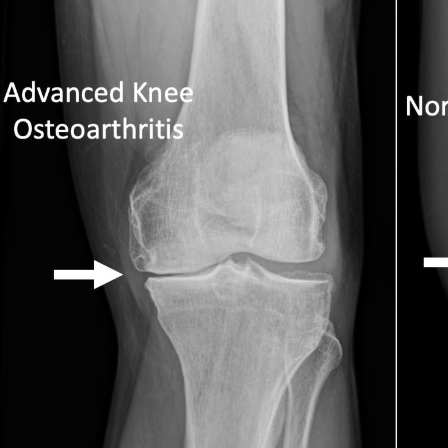
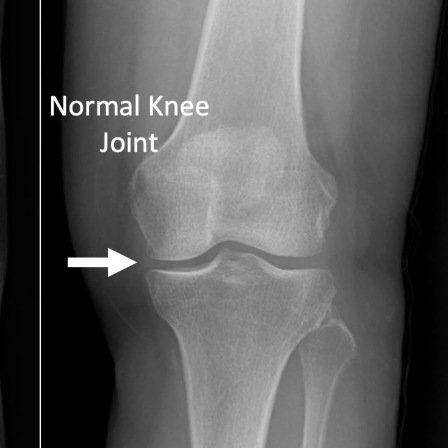
Uni-Compartmental (Partial) Knee Replacement Guide
Targeted Joint Preservation for Medial, Lateral, and Patellofemoral Osteoarthritis under the Care of Mr. Lebur Rohman
1. Understanding Uni-Compartmental Knee Replacement
Your knee joint is formed by the union of the thigh bone (femur) and shin bone (tibia), both covered by smooth, gliding articular cartilage. The joint is stabilized by key ligaments (including the Anterior Cruciate Ligament or ACL) and protected in front by the kneecap (patella).
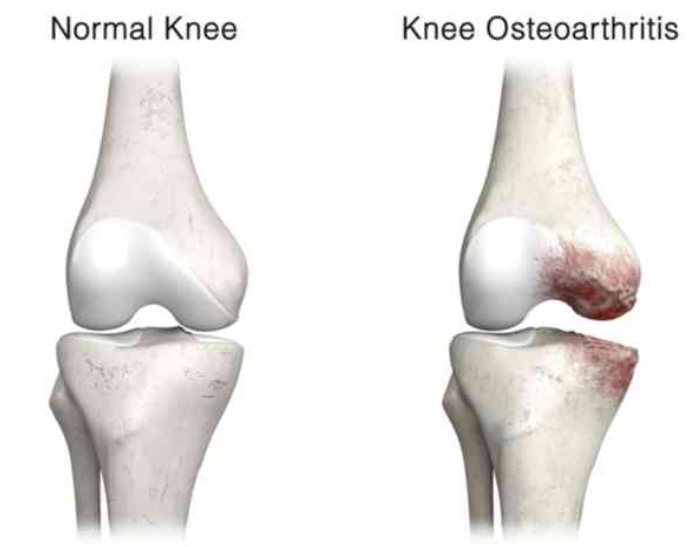
In a healthy joint, cartilage acts as a low-friction shock absorber. Osteoarthritis progressively wears this cartilage away, causing the bone ends to become rough—much like pieces of sandpaper. Damaged cartilage can cause your joint to "stick," lock, feel painfully stiff, and lose its normal range of motion.
Conservative Non-Surgical Treatments
Before considering surgery, patients typically attempt non-invasive strategies to manage localized symptoms, including:
- Prescription anti-inflammatory medications and pain management.
- Cortisone (corticosteroid) intra-articular injections.
- Targeted physical therapy and quad-strengthening exercises.
- Weight management to reduce load on the knee joint.
When conservative measures no longer provide adequate relief, surgical partial knee replacement is considered.
What is a Partial Knee Replacement?
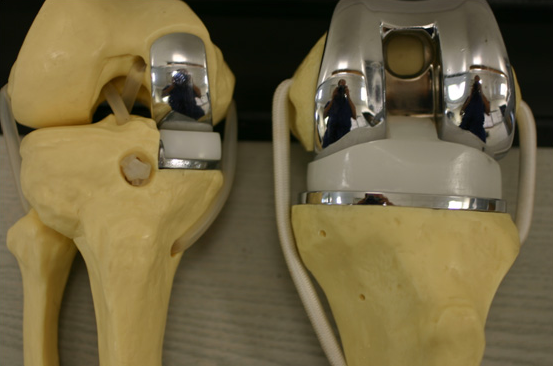
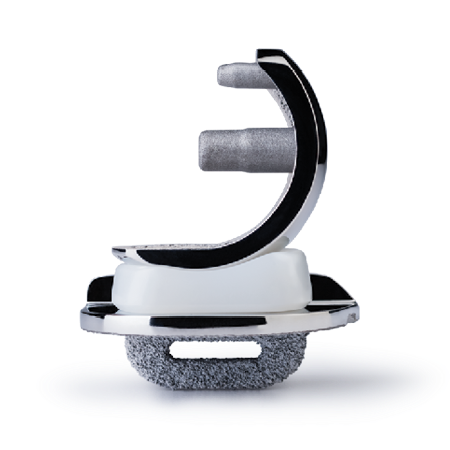
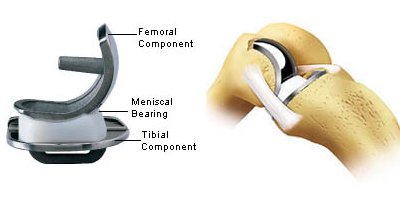
A uni-compartmental knee replacement involves removing only the most severely damaged surfaces of bone and cartilage, replacing them with precision implants while leaving all undamaged areas of your knee intact.
By keeping healthy bone, lateral cartilage, and natural stabilizing ligaments (such as an intact ACL), your knee retains its natural mechanics and spatial awareness (proprioception).
What is a Partial Knee Replacement?
3D visual guide demonstrating joint compartment preservation and mobile-bearing implant positioning.
Partial Knee Replacement Surgical Animation
Detailed anatomical breakdown showing precision bone surface preparation and ligament retention.
2. The Three Types of Partial Knee Replacement
Medial Unicompartmental
Inner Joint Replacement: Replaces cartilage loss strictly on the inside compartment of the knee (~85% of partial replacements). Preserves the ACL, PCL, and outer side of the knee.
Lateral Unicompartmental
Outer Joint Replacement: Addresses isolated wear on the outer compartment of the knee joint. Utilizes precision alignment techniques to match natural joint laxity.
Patellofemoral (PFJ)
Kneecap Compartment: Targets isolated severe arthritis behind the kneecap (patella) and trochlear groove, relieving pain during squatting or stair climbing.
Is Partial Knee Replacement Right for You?
Get an accurate evaluation with knee specialist Mr. Lebur Rohman to preserve your native joint structures and restore pain-free movement.
Book Your Consultation Today3. Patient Selection: Am I a Candidate?
Ideal Candidates for Uni-Compartmental Surgery
- Early to Moderate Arthritis: Confined strictly to one compartment of the knee.
- Intact Ligaments: Must have an intact, healthy Anterior Cruciate Ligament (ACL).
- Good Mobility: Preserved range of motion without significant fixed deformities.
- Patient Profile: Generally older than 55 years, non-obese, or maintaining a relatively sedentary/moderate lifestyle.
- No Severe Inflammation: Free from inflammatory arthritis throughout the joint.
When Uni-Compartmental Surgery is Not Suitable
- Advanced Multi-Compartmental Arthritis: Osteoarthritis that has progressed into two or three areas of the knee.
- Severe Ligament Laxity: Damage to or absence of the ACL or PCL.
- Inflammatory Conditions: Active rheumatoid arthritis or widespread cartilage calcification.
- Poor Candidate Risk: Performing a partial replacement when arthritis is too advanced leads to high failure rates and complex conversion to a Total Knee Replacement (TKR).
4. Clinical Outcomes & Evidence: Partial (PKR) vs. Total (TKR)
Published registry data (including the UK National Joint Registry and landmark TOPKAT trials) highlight clear functional advantages when partial knee procedures are performed by high-volume joint specialists:
| Surgical & Clinical Metric | Uni-Compartmental Replacement (PKR) | Total Knee Replacement (TKR) | Evidence & Patient Impact |
|---|---|---|---|
| Incision & Bone Dissection | Smaller Incision (3–4 in) & minimal bone removal | Larger Incision (6–8 in) with extensive bone removal | Less soft tissue trauma and lower post-op pain. |
| Blood Loss & Transfusion | Minimal Blood Loss (Transfusion rarely needed) | Moderate blood loss (Occasional transfusion required) | Eliminates the need for pre-operative blood donation. |
| High-Volume Specialist Survival | 92% – 95% at 15 Years | 95% – 97% at 15 Years | Revision rates in high-volume surgeon units approach TKR levels. |
| Functional Knee Scores (OKS) | Higher Average Scores ("Forgotten Joint") | Good stability, but lower ceiling effect | Patients retain natural biomechanics and deeper knee flexion. |
| Hospital Stay & Mobilization | Day-Case / 1 Night Stay | 1 to 3 Nights Inpatient | Accelerated rehab; many patients return home on surgery day. |
5. Frequently Asked Questions & Clinical Details
What occurs step-by-step during the partial knee operation?
- Tourniquet Application: A tight band is placed around the upper thigh and inflated with gas to minimize intraoperative blood loss. (You may feel a tight sensation around the thigh for up to 2 days after surgery).
- Incision & Resection: A small cut is made over the front of the knee to expose the diseased bone and cartilage.
- Implant Fitting: Diseased surfaces are precisely removed and replaced with metal and specialized plastic prosthesis components. The joint is tested through full range of motion.
- Closure: The wound is closed with surgical stitches, steri-strips, or glue and covered with a bulky waterproof dressing.
What type of anesthesia is used for uni-compartmental knee surgery?
What can I expect immediately after surgery in the recovery room and ward?
- An intravenous (IV) drip in your arm delivering fluids or medications.
- A bulky protective dressing over your knee.
- Prompt mobilization: The physiotherapist will get you out of bed within hours of returning to the ward and help you start walking.
Is partial knee replacement performed as a day-case procedure?
Yes. Due to smaller surgical incisions, less bone dissection, and targeted nerve blocks, most suitable patients undergo partial knee replacement as a day-case procedure, safely returning home on the same day as surgery.
To qualify for same-day discharge, the patient must achieve all of the following criteria:
- Eating and drinking well
- Pain is controlled with oral medication
- Mobilizing safely and cleared by the Physiotherapist
- Post-operative blood tests and X-rays are satisfactory
- Vital signs are normal
- Bladder function has returned to normal
How is pain managed after surgery?
What does the post-operative rehabilitation program involve?
What general home care guidelines should I follow during recovery?
- Sutures/Stitches: Clips, stitches, or steri-strips are usually removed 7 to 10 days post-surgery at your scheduled follow-up clinic appointment. Keep your wound covered with a waterproof dressing until cleared for showers or baths.
- Swelling & Bruising: Normal swelling and discoloration take 6 to 8 weeks to fade, though mild swelling can occasionally persist for up to 6 months.
- Bed Position: Change your sleeping position every 1 to 2 hours to prevent pressure sore development on your heels, ankles, or lower back.
- Driving & Activities: You must not drive or resume high-demand gardening/sports until reviewed and formally cleared by your consultant surgeon.
What are the main risks and potential complications of partial knee replacement?
- Anaesthetic Risks: Modern anesthesia is safe, but individual risks will be discussed by your anesthetist.
- Infection: Preventative antibiotics are administered. If you develop a fever, increased redness, worsening pain, or discharge at home, contact the clinic office immediately.
- Deep Vein Thrombosis (DVT): Blood clots in the leg veins are mitigated using anticoagulant medications and compression stockings. Acute calf pain or swelling requires urgent medical attention.
- Aseptic Loosening: Over many years, the metal/plastic implants may loosen from the bone or wear down, eventually requiring a revision total knee replacement.
Is there a complete self-help guide that I can access for my partial knee replacement recovery?
Are there any knee rehab videos available?
Take the First Step Toward Joint Relief
Schedule a private evaluation with Consultant Orthopaedic Surgeon Mr. Lebur Rohman to discuss your joint replacement options.
Schedule Your Consultation